Skip to content
Home » Reading » Practice Passages » Practice 17

Practice 17

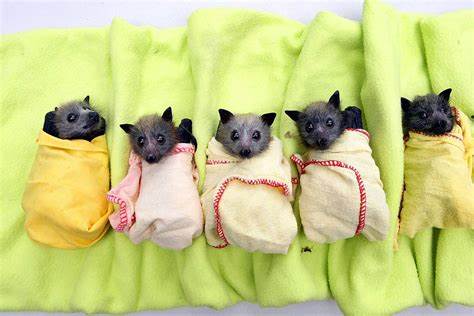
Bats to the rescue

How Madagascar’s bats are helping to save the rainforest There are few places in the world where relations between agriculture and conservation are more strained. Madagascar’s forests are being converted to agricultural land at a rate of one percent every year. Much of this destruction… Read More »Bats to the rescue

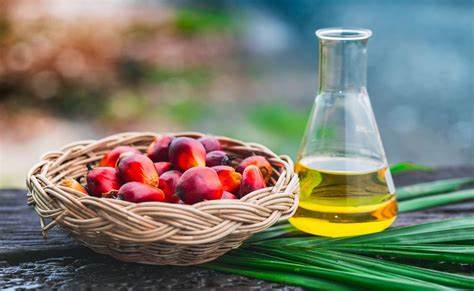
Palm oil

A Palm oil is an edible oil derived from the fruit of the African oil palm tree, and is currently the most consumed vegetable oil in the world. It’s almost certainly in the soap we wash with in the morning, the sandwich we have for… Read More »Palm oil

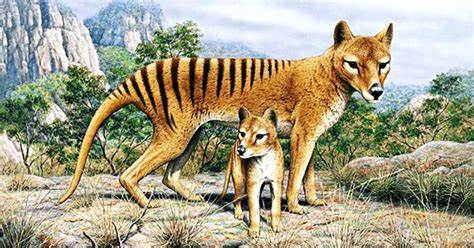
The thylacine

The extinct thylacine, also known as the Tasmanian tiger, was a marsupial* that bore a superficial resemblance to a dog. Its most distinguishing feature was the 13-19 dark brown stripes over its back, beginning at the rear of the body and extending onto the tail.… Read More »The thylacine

Insight or evolution?

Two scientists consider the origins of discoveries and other innovative behavior Scientific discovery is popularly believed to result from the sheer genius of such intellectual stars as naturalist Charles Darwin and theoretical physicist Albert Einstein. Our view of such unique contributions to science often disregards… Read More »Insight or evolution?

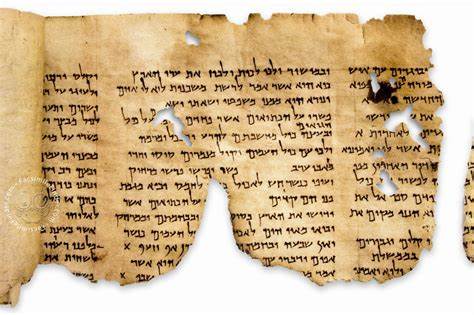
The Dead Sea Scrolls

In late 1946 or early 1947, three Bedouin teenagers were tending their goats and sheep near the ancient settlement of Qumran, located on the northwest shore of the Dead Sea in what is now known as the West Bank. One of these young shepherds tossed… Read More »The Dead Sea Scrolls

To catch a king

Anna Keay reviews Charles Spencer’s book about the hunt for King Charles II during the English Civil War of the seventeenth century Charles Spencer’s latest book, To Catch a King, tells us the story of the hunt for King Charles II in the six weeks after… Read More »To catch a king

en_GBEnglish